Feedback Is Not Validation: Learning How to Hear With Discernment
Feedback is one of the most powerful and misunderstood tools in creation. Learn how to interpret it correctly and assign weight to different opinions.

We are often encouraged to listen to users, gather input early, and build in public. All of this matters. What is less discussed is the discipline required to interpret feedback correctly. The real challenge is not collecting opinions. It is deciding how much influence each one should have.
In my experience building apps, offering web services, and producing books and video, feedback has been invaluable. It has reassured me when uncertainty set in. It has forced pivots when I was too close to my own assumptions. At times, it has also revealed something equally important. It showed me who I was not building for.
Feedback is not validation. It is directional information.
Removing Ego Is Only the First Step
Most creators eventually learn how to separate their identity from their work. That step is necessary, but it is not sufficient.
Once you are open to feedback, a more complex problem emerges. How much weight should one perspective carry compared to another, especially when those perspectives conflict?
You'll hear:
- "This is exactly what I needed."
- "I don't get it."
- "You should add this."
- "You should remove that."
All sincere. All incompatible.
If every opinion carries equal weight, you'll either stall or ship something incoherent.
Feedback Is Not One Thing
Feedback becomes overwhelming when it is treated as a single category. In practice, feedback arrives in very different forms and serves very different purposes.
Exploratory feedback
Helps you understand how people interpret what you are building. It surfaces confusion, interest, and emotional response. Its value is clarity, not conclusions.
Directional feedback
Appears when patterns emerge across multiple people. When several responses point in the same direction, they often reveal strategic insight.
Execution feedback
Focuses on how something is delivered. It addresses pacing, usability, polish, and presentation. This type of feedback becomes most useful after direction has already been established.
Out of scope feedback
Reflects a different audience or use case. It is not wrong, but it is rarely actionable. Its value lies in defining boundaries.
Not all feedback is meant to be implemented. Some feedback exists to be understood and then set aside.
A Practical Way to Assign Weight to Feedback
It is tempting to assign numerical percentages to opinions. Numbers feel objective. In reality, feedback requires context more than math.
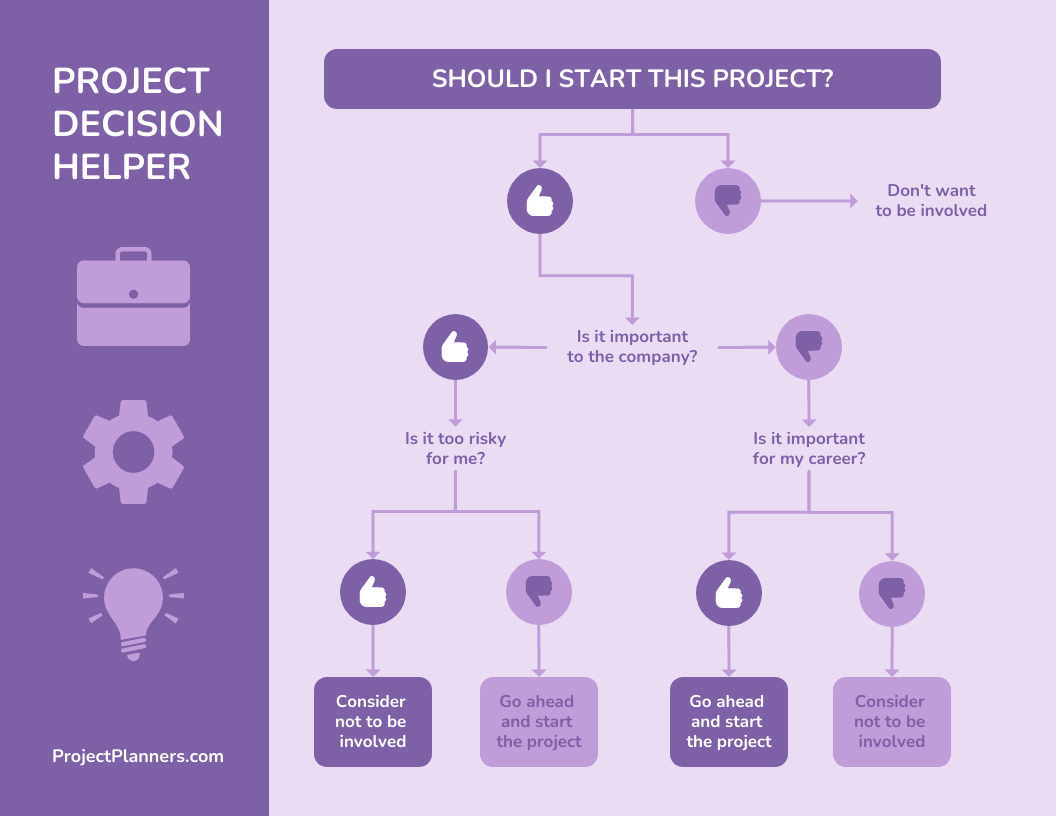
A more useful approach is to ask three questions.
First, who is this feedback coming from
Is it from someone squarely within your core audience, someone adjacent to it, or someone entirely outside of it? Feedback from outside your intended market can be informative, but it should rarely drive decisions.
Second, what problem is the person actually reacting to
People often propose solutions when they are really experiencing friction. The signal is in the discomfort, not the prescription.
Third, how repeatable is this signal
A single opinion offers insight. Repeated feedback offers direction.
When responses are limited, judgment matters even more. Scarcity does not reduce the value of feedback. It increases the need for discernment.
A Personal Example of Feedback in Practice
Public speaking has been one of the places where feedback matters most to me. Part of it is validation, but more importantly, it is a way to keep improving. I listen closely because I know how far I have come and I want to see how far I can go.
Occasionally, someone will tell me that a point did not connect the way I intended. In those moments, I have to step back and ask a difficult question. Was my message unclear, or was this a single perspective reacting differently than the majority?
If most people followed the progression as intended, the issue may not be the message itself. That does not mean the outlying feedback should be ignored. It still represents an opportunity to improve clarity. It simply needs to be kept in perspective.
This is where feedback becomes useful rather than disruptive.
Why Targeted Feedback Outweighs Broad Consensus
Broad feedback feels reassuring. Targeted feedback is more useful.
A small number of insights from people who truly fit your niche often outweighs a large volume of general opinions. Especially early on, depth matters more than scale.
This reality can be uncomfortable. Access to ideal users is limited. Startups sometimes pay for feedback. Creators often seek input wherever they can find it.
Paying for feedback is not inherently wrong, but it is not neutral either. When incentives shift, interpretation must become more cautious.
Feedback and Reviews Are Not the Same
Feedback happens before a decision is finalized. Reviews happen after expectations are set.
Feedback helps shape what you are building. Reviews reflect how well that expectation was met.
Waiting for reviews to learn means learning too late.
The goal of feedback is not approval. It is alignment.
Reassurance, Redirection, and Responsibility
Some feedback confirms that you are moving in the right direction. Other feedback suggests the direction itself may need adjustment.
Neither should be taken emotionally.
Across apps, services, books, and video production, one pattern remains consistent. Feedback reveals where friction exists between your intention and someone else's experience.
What you do with that information is your responsibility.
Conclusion: Perfection Is Not the Goal
Perfection does not exist. Constant, never ending improvement does.
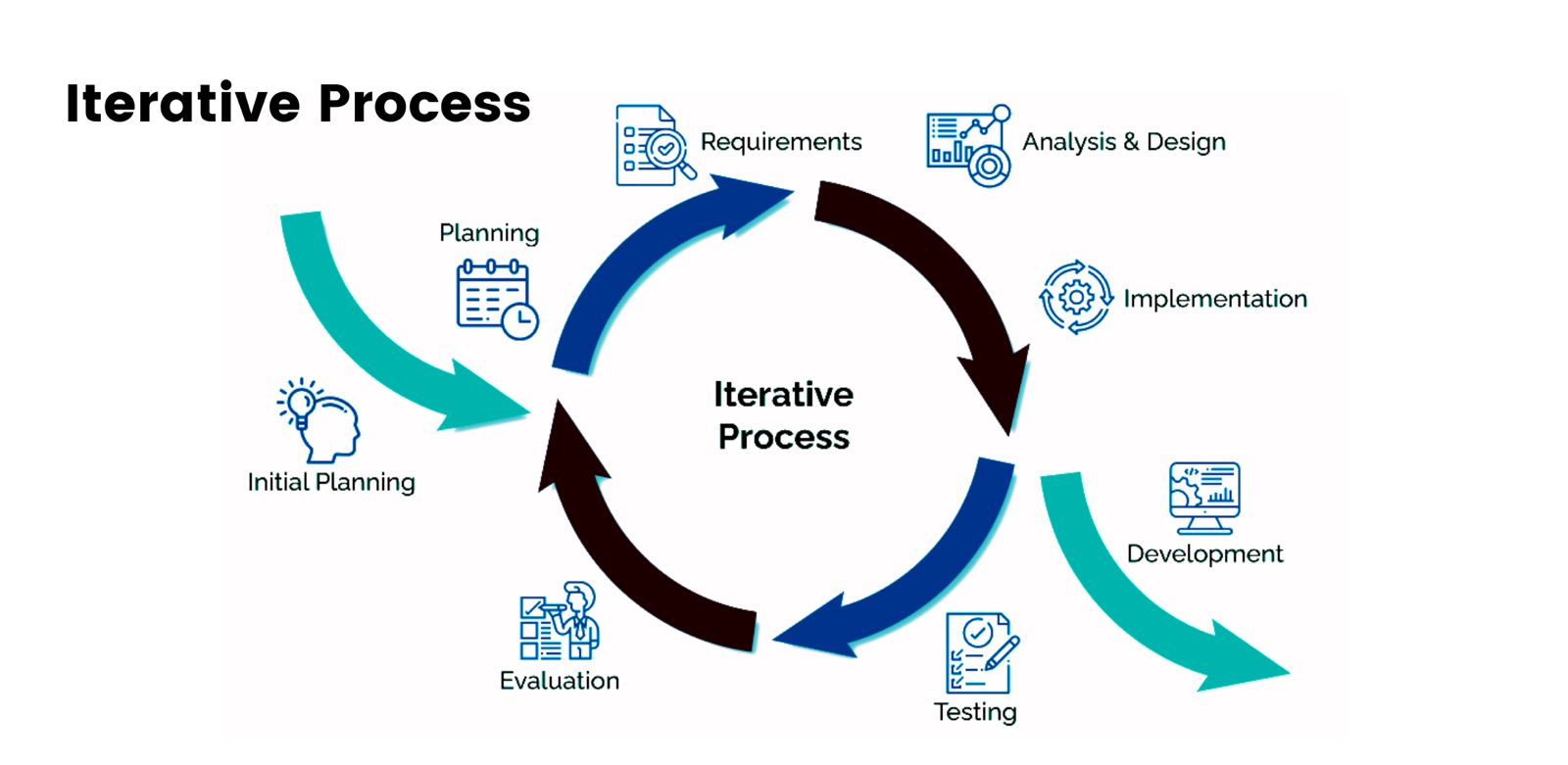
Progress comes from iteration, not from consensus. Feedback should be revisited at benchmarks, at release points, and at clear forks in the road. It should not dictate every step.
Your present and your future are shaped by thoughtful refinement. You carve a path, pause, listen, adjust within clear parameters, and move forward again.
That cycle is the work.
Final Thought
Feedback works best when it informs direction within defined boundaries.
It is not about obeying every opinion or defending every choice. It is about moving forward with clarity, using input as guidance rather than permission.
Direction, when paired with parameters, allows feedback to sharpen your work instead of scattering it.